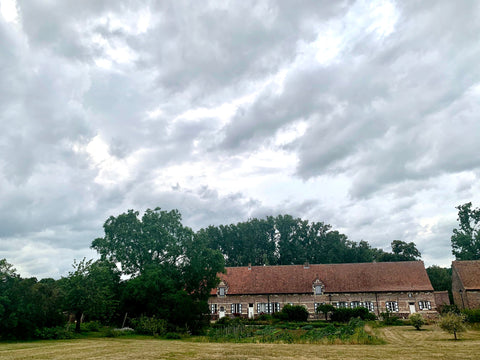
Nestled in the green countryside of Kessel-Lo, just northeast of Leuven, the Abbey of Vlierbeek is a site rich in history,...

Nestled in the green countryside of Kessel-Lo, just northeast of Leuven, the Abbey of Vlierbeek is a site rich in history,...
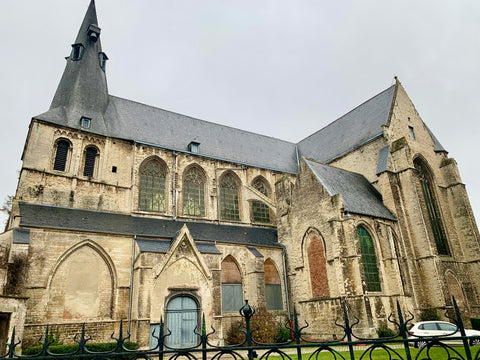
The Saint James’ Church in Leuven, built in the 13th century, is a Romanesque landmark and one of the Seven Wonders of Leuven. Closed since 1964, it awaits restoration and plans to be revived as a bookshop.
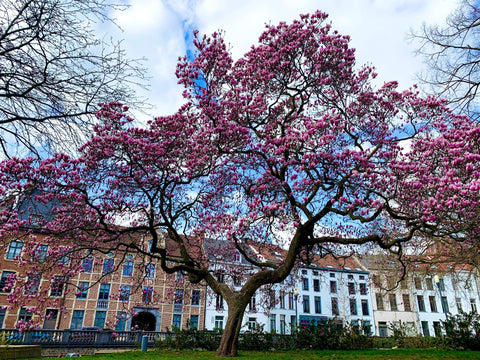
A Green Gem by the DyleNestled near the bend of the Dyle River, Dijleterrassen is one of Leuven’s hidden gems—a...
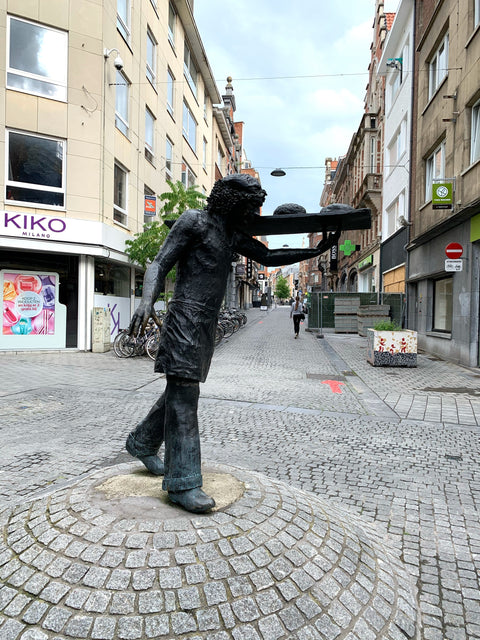
Dorre the Baker, a bronze statue by Roland Rens, was unveiled in 1979 to honor Leuven’s baking tradition and the important role of local bakers in community life.
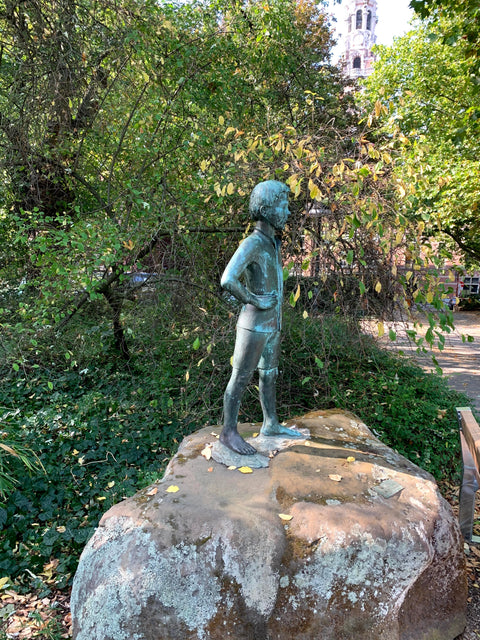
The De Witte statue at KU Leuven, unveiled in 1985, depicts Ernest Claes’ mischievous literary hero Louis Verheyden. Standing barefoot with hands on hips, it symbolizes both his playful spirit and his dreams of greatness.
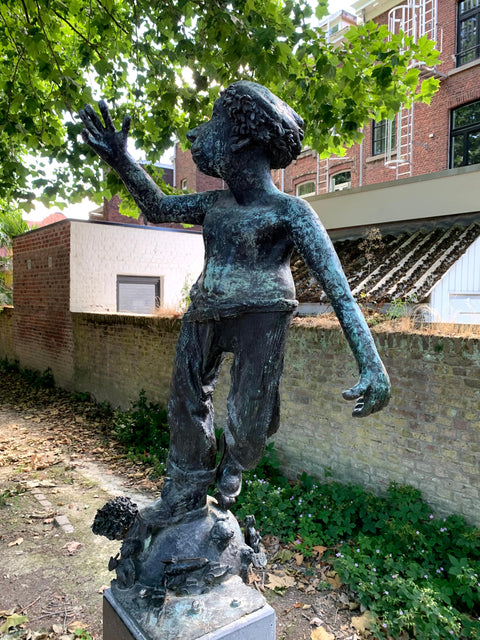
The Kamerood 60 statue in Leuven, created by Jan Rosseels in 2000, symbolizes the journey of life with motifs like a globe, a snail, baby, and flowers. Gifted by the Mannen van 60, it remains a unique modern artwork despite vandalism damage.
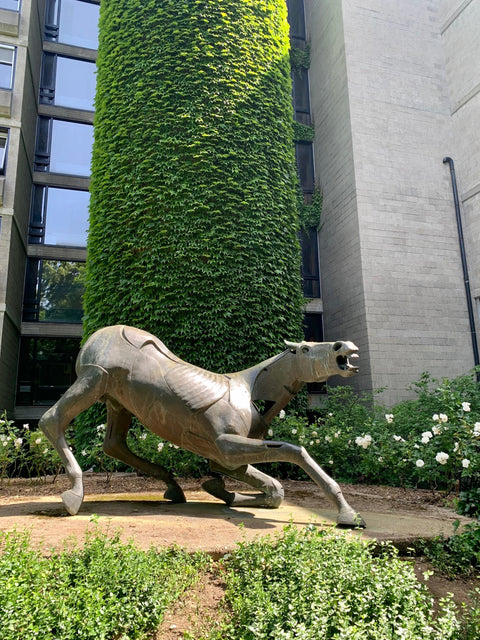
The Falling Horse sculpture by Rik Poot, located in Leuven’s Erasmushuis garden, depicts a tragic, collapsing horse. It symbolizes solidarity among students, reminding them of the strength found in supporting each other.
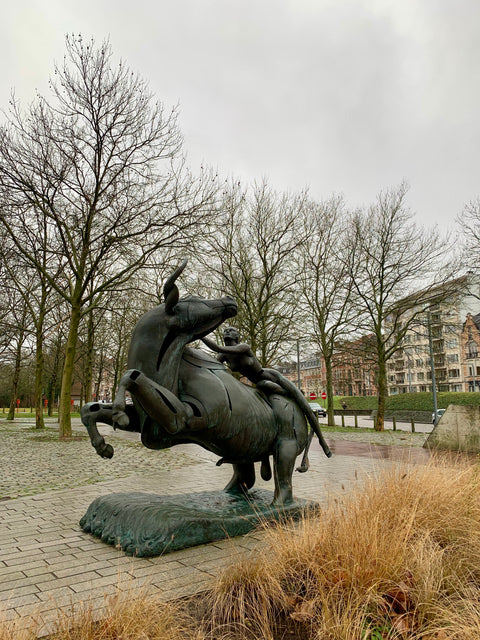
The De Ontvoering van Europa statue in Leuven, created by Rik Poot in 2004, shows Zeus abducting Europa on a bull. Installed at Provincieplein in 2008, it stands as one of the artist’s final monumental works.